


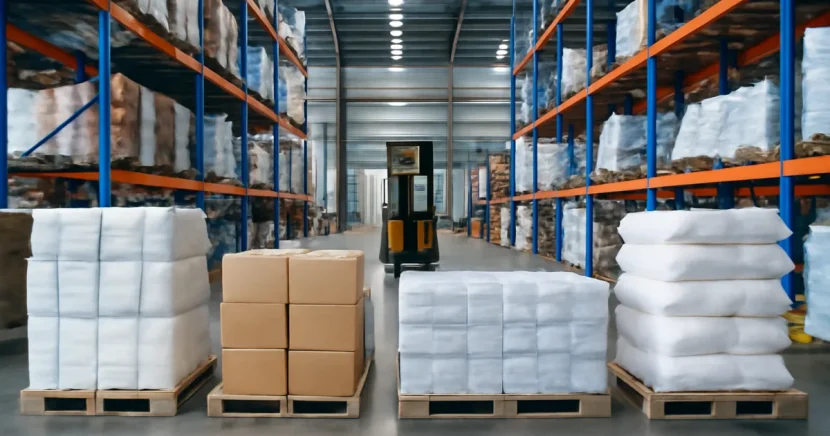
In the fast-evolving world of industrial manufacturing and logistics, packaging is far more than just a container—it is an essential enabler of efficiency, product protection, and successful global trade. Malaysia’s dynamic manufacturing landscape, coupled with increasing export demands and shifting customer expectations, makes it crucial for companies to stay updated on the latest industrial packaging trends and to implement best practices that ensure quality, compliance, and cost-effectiveness.
Understanding the Shifting Landscape of Industrial Packaging in Malaysia
Malaysia’s industrial sector has witnessed significant transformation in recent years. As a leading regional hub for electronics, automotive, and export-oriented manufacturing, the demand for advanced packaging solutions has never been higher. Companies in this space are now prioritizing packaging that not only protects products but also supports operational efficiency, regulatory compliance, and sustainability goals.
Key drivers include:
- Rapid growth in electronics and high-value exports
- Stricter international shipping standards
- Increasing focus on sustainability and reduced waste
- Rising need for ESD, antistatic, and moisture-control packaging
- Pressure to optimize logistics and inventory management
Beyond these factors, Malaysia’s strategic location and free trade agreements have accelerated the need for packaging that not only meets internal quality standards but also aligns with international regulations. Companies are increasingly seeking packaging solutions that can address the complexities of cross-border logistics, such as variable climate conditions, long transit times, and diverse handling environments. The integration of local and global supply chains further underscores the importance of robust, flexible packaging that can withstand a range of distribution scenarios.
Emerging Trends Shaping Industrial Packaging Malaysia
To remain competitive, manufacturers and supply chain professionals must track and respond to several influential trends in the industrial packaging sector:
1. Advanced Foam and Cushioning Solutions
Innovations in EPE (Expanded Polyethylene) and EPP (Expanded Polypropylene) foam packaging are redefining shock absorption, product safety, and design flexibility. These materials are increasingly used for sensitive electronics, automotive components, and high-value goods—delivering superior cushioning while remaining lightweight and recyclable. Leading epe foam manufacturers in Malaysia are also integrating antistatic and ESD features for added protection.
For example, electronics manufacturers often combine EPE foam with custom-cut inserts and layered packaging to minimize vibration during international shipping. Automotive suppliers utilize EPP inserts to protect parts with complex geometries, ensuring that every component arrives intact. The flexibility of these foams allows for tailored cushioning, which is especially important in industries where even minor shocks can result in costly product failures or returns.
2. Rise of Reusable and Returnable Packaging
With sustainability becoming a core business objective, reusable packaging such as plastic pallets, trays, and boxes are gaining traction. These solutions reduce single-use waste, lower long-term costs, and align with circular economy principles. Many plastic packaging supplier options now offer durable, stackable designs for repeated use across supply chains.
Returnable packaging systems are increasingly favored by automotive and electronics sectors, where components are shipped between multiple facilities. Companies implement closed-loop logistics, tracking packaging with RFID or barcodes to ensure assets are returned, sanitized, and reused. This approach significantly reduces environmental impact, improves inventory control, and can yield major cost savings over time compared to disposable options.
3. Digitalization and Automation in Packaging Operations
Industry 4.0 is transforming packaging with automation, smart sensors, and digital inventory management. Automated packaging lines, integrated quality control (QC) systems, and vendor-managed inventory (VMI) solutions help businesses reduce errors, increase throughput, and gain real-time visibility into packaging workflows. Digitalization also supports regulatory compliance and traceability for export shipments.
For instance, some Malaysian manufacturers have implemented end-to-end tracking of packaging materials, from procurement to delivery, enabling instant recall of defective batches and better forecasting of supply needs. Automated packaging lines equipped with vision systems ensure that every item is packaged to specification, reducing human error and supporting continuous improvement initiatives. The use of cloud-based dashboards provides managers with actionable insights, helping them optimize resource allocation and respond quickly to issues.
4. Customization for Complex and Sensitive Products
The diversity of Malaysian manufacturing—ranging from microchips to heavy machinery—demands highly customized packaging. Solutions now combine materials like foam, paper board, plastic, and wood to match precise product dimensions and handling requirements. Custom packaging design and prototyping are increasingly essential for reducing transit damage and meeting client specifications.
Manufacturers are leveraging digital prototyping and 3D modeling to visualize and test packaging designs before production, reducing development time and improving fit. For example, a precision instrument exporter may require a hybrid solution—using antistatic foam for electronics, moisture-barrier bags, and a triple-wall corrugated outer box to ensure safe delivery overseas. Packaging customization also extends to branding and ease-of-use features, such as easy-open tabs or tamper-evident seals, which can improve the end-user experience and differentiate products in competitive markets.
Best Practices for Industrial Packaging Success
Staying ahead in industrial packaging requires more than trend awareness—it needs a structured approach. Here are proven best practices for Malaysian manufacturers, exporters, and logistics providers:
- Conduct Packaging Needs Assessment: Analyze your product’s fragility, weight, value, and shipping conditions to select optimal materials and formats.
- Engage Professional Packaging Design Services: Collaborate with experienced packaging partners who offer design, prototyping, and actual transportation testing.
- Prioritize Packaging QC: Implement structured quality control processes to ensure consistency, compliance, and defect-free results.
- Adopt JIT and VMI Delivery Models: Just-in-Time and Vendor Managed Inventory systems reduce packaging inventory, free up warehouse space, and streamline sourcing.
- Invest in Sustainable Solutions: Choose recyclable materials, reusable packaging, and optimized designs to minimize waste and support environmental goals.
- Ensure International Compliance: For exporters, use heat-treated pallets and compliant materials to meet global shipping regulations and avoid costly delays.
It is also essential to maintain clear communication between packaging teams, procurement, logistics, and production. Regular cross-functional meetings can help identify packaging challenges early, such as new product launches, changes in transportation routes, or evolving customer requirements. Documenting packaging processes and creating checklists for inspection, handling, and storage further reduce the risk of oversight and ensure a consistent approach across the organization.
An often-overlooked best practice is the post-shipment review. By tracking delivery performance, customer complaints, and damage rates, companies can refine their packaging strategies, identify weak points, and implement targeted improvements. Continuous feedback loops, both internally and from customers, are vital for maintaining packaging excellence in a competitive market.
Material Innovations: Foam, Plastic, Paper, and More
Material selection is central to effective industrial packaging. In Malaysia, a wide range of options are available to suit different industries and products:
- Foam Packaging (EPE/EPP): Preferred for shock-sensitive electronics and precision machinery, offering excellent cushioning and custom form factors.
- Paper Box Packaging: Single, double, or triple-wall corrugated boxes provide structural strength for everything from auto parts to consumer goods.
- Plastic Boxes & Trays: Durable, reusable, and available with ESD protection for delicate components. Plastic pallets are increasingly popular for hygiene and export compliance.
- Protective Bags & Wraps: LDPE, PVC, aluminum, and antistatic bags shield products from moisture, dust, and static electricity.
- Pallets: Available in wood, paper, and plastic to match product weight, logistics needs, and budget. Plastic pallet solutions are especially valued for their reusability and compliance with international standards.
Leading packaging partners, such as EPE Packaging, offer integrated kits that combine these materials for efficient, secure, and cost-effective protection.
Recent material innovations also include the use of bioplastics, water-based adhesives, and recycled content in packaging components. Biodegradable foam alternatives and corrugated boards with enhanced moisture resistance are being piloted by Malaysian firms serving industries with rigorous export requirements. Such innovations not only meet rising environmental standards but also open doors to new markets that prioritize eco-friendly credentials.
Material selection should be guided by both performance and cost factors. For example, while EPE foam may be preferred for electronics, heavy machinery may require a mix of wood and reinforced paperboard. Product lifecycle considerations—such as ease of disassembly, recyclability, and the presence of hazardous substances—should also inform packaging decisions, ensuring compliance with end-of-life regulations in target export markets.
Quality Control and Compliance: Getting It Right the First Time
Quality control is a non-negotiable aspect of industrial packaging. With increasing scrutiny from global clients and regulators, Malaysian manufacturers must ensure that packaging consistently meets required standards. This includes:
- Structured inspection of packaging materials and assemblies at every production stage
- Testing for strength, shock absorption, ESD protection, and moisture resistance
- Full documentation and traceability for export shipments
- Continuous improvement based on feedback and failure analysis
Packaging QC is not just about compliance—it also prevents costly product damage, claims, and shipment delays.
For more on the importance of supplier selection, read The Importance Of Choosing The Right Packaging Supplier In Malaysia.
To strengthen quality assurance, many companies are utilizing international standards such as ISO 9001 for quality management and ISO 14001 for environmental management. Third-party audits and certifications can provide added credibility, especially when exporting to regions with strict import controls. Testing laboratories in Malaysia offer services such as drop tests, compression tests, and accelerated aging simulations to validate packaging performance under real-world conditions.
Common mistakes in QC include relying solely on supplier certifications without conducting independent inspections, neglecting secondary packaging components (such as tapes and labels), or failing to update QC procedures when changing suppliers or materials. Establishing a robust supplier performance review system, with regular scorecards and corrective action plans, helps ensure ongoing compliance and fosters a culture of continuous improvement.
Sustainability in Industrial Packaging: Meeting New Expectations
Environmental responsibility is now a defining feature of industrial packaging strategies. Malaysian companies are under increasing pressure—from both international customers and local stakeholders—to minimize packaging waste and adopt greener materials.
Key sustainable practices include:
- Switching to recyclable and biodegradable materials where possible
- Implementing reusable packaging systems, such as plastic pallets and returnable trays
- Reducing over-packaging through precise design and advanced cushioning
- Partnering with packaging suppliers that offer recycling and take-back programs
Not only do these initiatives support environmental goals, but they also improve brand reputation and can lower long-term costs.
Transitioning to sustainable packaging is not without challenges—cost premiums for bio-based materials, limited availability of recycling facilities, and the need for customer education are common hurdles. However, companies that invest in sustainability often benefit from preferential supplier status with multinational clients, access to green financing, and eligibility for government incentives in Malaysia. Internal sustainability checklists, employee training, and collaboration with certified green suppliers are practical steps for making steady progress on environmental goals.
Some leading companies have adopted lifecycle analysis (LCA) to quantify packaging’s environmental impact, helping guide material choices and design improvements. Others have introduced returnable packaging programs, where clients send back used packaging for cleaning, repair, and reuse—creating a closed-loop system that reduces waste at every stage.
How to Choose the Right Industrial Packaging Partner in Malaysia
With many packaging companies in the market, selecting the ideal partner is crucial. Consider these criteria:
- Experience and Track Record: Established suppliers with decades of experience, such as EPE Packaging, bring proven expertise across a range of industries.
- Comprehensive Service Offering: Look for providers offering design, testing, QC, warehousing, and delivery for a seamless packaging process.
- Customization Capability: The ability to develop packaging tailored to your product’s specific needs is essential for maximum protection and cost-efficiency.
- Geographic Coverage: Suppliers with multiple facilities across Malaysia can deliver faster and more reliably.
- Support for Advanced Solutions: Ensure your partner can provide ESD, antistatic, moisture-barrier, and JIT/VMI solutions for complex requirements.
To explore why professional packaging matters, see 4 Main Reasons Why You Should Start Using Protective Packaging In Shipping.
When evaluating potential partners, request detailed case studies and client references to assess their performance in similar industries or applications. Visit supplier facilities to observe their production processes, QC practices, and storage conditions. Ask about their approach to innovation—do they invest in new materials, automated equipment, or sustainability initiatives? A reliable partner should be proactive in suggesting improvements and transparent about challenges.
It is also wise to clarify service-level agreements (SLAs) covering lead times, defect resolution, and emergency support. This ensures that both parties are aligned in expectations and that your supply chain remains resilient in the face of disruptions. Finally, consider the supplier’s financial stability and capacity for scaling operations as your business grows.
Practical Examples: Industrial Packaging in Action
What do best practices look like in the real world? Here are a few scenarios:
- Electronics Manufacturer: Deploys EPE foam trays with antistatic protection for circuit boards, using moisture-barrier bags for export shipping. Integrated kitting reduces assembly time and damage risk.
- Automotive Supplier: Utilizes custom-moulded EPP foam inserts and reusable plastic pallets for delicate engine assemblies, streamlining warehouse handling and international delivery.
- Industrial Exporter: Leverages heat-treated wooden pallets, triple-wall paper boxes, and tailored foam inserts to comply with EU and US shipping regulations, reducing transit damage to near zero.
Each example highlights the importance of matching packaging technology to product needs, logistics realities, and compliance requirements.
Consider a scenario where a Malaysian electronics exporter faced frequent returns due to static damage in transit. By collaborating with a packaging partner, they introduced ESD-safe foam trays and implemented a color-coded QC system for easier inspection. Damage rates dropped by 80%, and customer satisfaction improved significantly.
Another example involves a food ingredient manufacturer exporting to multiple ASEAN markets. They adopted moisture-resistant laminated paper packaging with tamper-evident seals, ensuring freshness and compliance with diverse food safety regulations. Collaboration with a packaging partner enabled rapid redesigns to meet new client requirements without delaying shipments.
For companies shipping high-value medical devices, combining rigid plastic shells, shock-absorbing foam, and sterile inner wraps is essential. In one case, a Malaysian supplier’s modular packaging design allowed for easy assembly and label changes, supporting both domestic and export sales with minimal inventory. This flexible approach reduced total packaging costs and enabled the client to respond quickly to market changes.
Common Mistakes and How to Avoid Them
Even experienced companies sometimes fall into packaging pitfalls. Here are common mistakes and proven strategies to avoid them:
- Underestimating Packaging Requirements: Skimping on protective materials or failing to account for environmental stresses can lead to costly damage and reputation loss.
- Ineffective Supplier Communication: Incomplete or unclear specifications lead to packaging that does not meet product or regulatory needs. Always provide detailed drawings and requirements.
- Ignoring End-of-Life Management: Failing to plan for recycling or disposal can result in unnecessary waste and higher costs, especially as regulations tighten.
- Neglecting to Pilot New Solutions: Implementing new packaging without real-world testing increases risk. Always conduct pilot runs and gather feedback.
- Lack of Employee Training: Packaging is only as effective as the people handling it. Regular training on packing techniques, handling, and inspection is crucial.
To avoid these pitfalls, establish a structured packaging review process, invest in employee education, and maintain open lines of communication with your packaging partner. Continuous review and improvement are the hallmarks of packaging leaders in the Malaysian industrial sector.
Checklist: Steps for Effective Industrial Packaging Implementation
- Assess product requirements (fragility, size, regulatory needs)
- Select materials based on protection, cost, and sustainability
- Design and prototype packaging solutions
- Pilot packaging with real-world shipping tests
- Document and train staff on packing and handling procedures
- Implement quality control and inspection routines
- Review and update packaging processes regularly
- Engage customers for feedback on packaging performance
This checklist serves as a practical roadmap for manufacturers and logistics professionals seeking to optimize their packaging operations from the ground up.
Conclusion: Staying Ahead in Industrial Packaging Malaysia
Industrial Packaging Malaysia is entering a new era where innovation, sustainability, and operational excellence are paramount. By embracing advanced materials, digitalization, and best practices—from stringent QC to smart inventory management—manufacturers and logistics professionals can safeguard products, improve efficiency, and enhance competitiveness in both domestic and international markets.
To stay ahead, partner with an experienced, full-service packaging provider. EPE Packaging brings decades of expertise, an international network, and a commitment to quality and sustainability—making industrial packaging a strategic advantage for your business.
Frequently Asked Questions
What are the main trends in industrial packaging in Malaysia?
Current trends include adoption of advanced foam and cushioning materials (like EPE and EPP), increased use of reusable and returnable packaging, greater digitalization and automation in packaging operations, emphasis on sustainability, and the need for highly customized solutions for sensitive or complex products.
How can I choose the right industrial packaging supplier in Malaysia?
Consider the supplier’s experience, service range (including design, testing, and QC), customization capabilities, geographic presence for reliable delivery, and ability to provide advanced solutions such as ESD, antistatic, moisture-barrier, and JIT/VMI support.
Where can I get packaging boxes and materials near me in Malaysia?
You can source packaging boxes, foam, pallets, and protective materials from established industrial packaging suppliers such as EPE Packaging, who have facilities across Malaysia and offer a wide range of custom and standard packaging solutions.
What are best practices for packaging quality control (QC)?
Best practices include structured inspections at each production stage, material testing (for strength, ESD, moisture resistance), maintaining comprehensive documentation, ensuring traceability for exports, and using continuous improvement feedback to eliminate defects and optimize protection.
How is sustainability being addressed in industrial packaging?
Malaysian companies are increasingly adopting recyclable and biodegradable materials, implementing reusable packaging systems, reducing over-packaging through precise design, and partnering with suppliers that offer recycling and take-back programs to minimize environmental impact.
Partner with EPE Packaging for Advanced Industrial Packaging Solutions
Ready to elevate your packaging strategy? EPE Packaging delivers total packaging solutions across Malaysia—offering EPE & EPP foam, paper boxes, plastic trays, pallets, protective bags, and complete design, QC, warehousing, and delivery services. Benefit from decades of experience, international group support, and custom solutions tailored to your industry’s needs. Let us help you protect your products and streamline your logistics with innovative, sustainable packaging.