


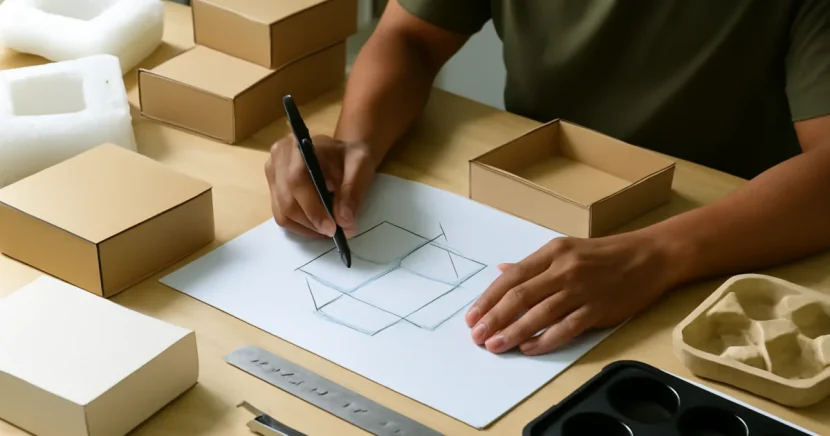
Protecting products during storage, transportation, and delivery is a top priority for manufacturers and exporters in Malaysia. With a diverse range of products from electronics to automotive components, standard packaging often falls short in providing the necessary protection against shocks, moisture, and static. Custom packaging is the solution for businesses seeking to minimize damage, reduce costs, and enhance customer satisfaction. This comprehensive tutorial will guide you through the step-by-step process of customising packaging in Malaysia for maximum product protection, featuring actionable examples and expert insights from industry leaders.
Why Custom Packaging is Crucial for Product Protection
Every product has unique characteristics—size, shape, weight, fragility, and sensitivity to environmental factors. Off-the-shelf solutions rarely offer the optimal fit or protection needed for high-value or sensitive items. Custom packaging addresses these challenges by:
- Ensuring precise fit, reducing movement and risk of damage during shipping.
- Incorporating materials suited to your product’s requirements—such as EPE foam for cushioning or antistatic films for electronics.
- Optimizing packaging weight and size, which can lower logistics costs.
- Allowing for branding, labelling, and compliance with export standards.
For businesses in electronics, automotive, and export industries, the right packaging solution can be the difference between safe delivery and costly returns.
Benefits Beyond Protection
Custom packaging does more than just guard against physical damage. It supports your sustainability goals by enabling the selection of recyclable or reusable materials, helps you meet regulatory requirements for exports, and elevates your brand image through tailored design and printing options. Moreover, it can streamline your logistics and operational efficiency by enabling stackability, easy identification, and secure handling throughout the supply chain.
Step 1: Assess Your Product’s Packaging Needs
The first step in developing custom packaging is a thorough assessment of your product and supply chain. Consider:
- Product Analysis: Record the product’s dimensions, weight, fragility, and sensitivity to moisture, static, or compression.
- Shipping & Handling: Identify the transportation modes, handling frequency, and potential risks during storage and transit.
- Regulatory Requirements: Ensure compliance with industry standards, especially for exports (e.g., ISPM 15 for wooden pallets).
Example: An electronics manufacturer shipping circuit boards overseas must consider antistatic protection, moisture barriers, and secure cushioning to avoid ESD damage and mechanical shocks.
It’s important to involve stakeholders from different departments—such as logistics, production, and quality assurance—during the assessment phase. This ensures that all perspectives are considered, and potential pain points are addressed early. For instance, input from warehouse teams can highlight stacking or handling issues that impact packaging design.
Common Pitfalls in Needs Assessment
- Overlooking climate and environmental challenges unique to Malaysia, such as high humidity, which can damage sensitive goods.
- Failing to account for multiple handling points, increasing the risk of accidental drops or compression.
- Ignoring customer preferences for easy-to-open, tamper-evident, or sustainable packaging.
Checklist for assessment:
- Are all components and accessories included in the packaging analysis?
- Is the full journey from factory to end-user mapped out, including interim storage?
- Are there any regulatory or branding requirements to consider?
Step 2: Select the Right Packaging Materials
Material selection is a critical factor in custom packaging. Malaysia offers a wide range of options through suppliers like EPE Packaging:
- EPE & EPP Foam: Lightweight, shock-absorbing, and available in custom shapes—ideal for electronics, automotive, and delicate items.
- Paper Board: Single, double, or triple-wall corrugated for boxes, trays, and partitions—suitable for various industrial applications.
- Plastic Boxes & Trays: Durable, reusable, and available with ESD properties for sensitive components.
- Protective Bags & Wraps: LDPE, PVC, aluminium, or antistatic films for moisture and static protection.
- Pallets: Wood, paper, or plastic pallets can be custom-designed based on product weight and export needs.
Consult with your packaging supplier to determine the best combination of materials for your product. For example, a semiconductor company may combine antistatic foam with moisture-barrier bags and plastic trays for maximum protection.
Comparing Materials: Key Considerations
- Cushioning: EPE foam is widely used for its excellent shock absorption and light weight, making it ideal for fragile electronics and medical devices.
- Strength: Triple-wall corrugated board offers significant strength for heavy or bulky items, while still being cost-effective and recyclable.
- Reusability: Plastic trays and boxes are suitable for repeated use, especially in closed-loop supply chains such as automotive or electronics assembly lines.
- Environmental Impact: Paper and biodegradable options are increasingly available for businesses with sustainability targets.
Tip: Always request sample materials and perform small-scale trials before committing to a full order. This minimises risk and ensures compatibility with your products and processes.
Step 3: Design Your Custom Packaging Solution
Once you’ve identified your needs and materials, it’s time to design the actual packaging. Key steps include:
- Prototyping: Work with your supplier to create prototypes using CAD or sample models. This allows you to test fit and protection before full-scale production.
- Iterative Refinement: Adjust dimensions, cushioning, and inserts based on feedback from drop tests or handling trials.
- Branding & Labelling: Incorporate your company logo, product information, and handling instructions as needed.
For instance, an automotive parts supplier may design a custom EPP foam tray with precise slots for each component, ensuring safe stacking and compatibility with assembly lines.
Design Tools and Techniques
- Use 3D CAD software to model packaging and simulate stress points.
- Rapid prototyping, such as CNC-cut foam or 3D-printed parts, enables quick iteration and cost-effective testing.
- Digital printing allows for detailed branding and barcoding directly on packaging surfaces.
Involving end users in the testing phase of your prototypes can reveal usability improvements, such as easier opening, better grip for handling, or improved stacking efficiency in warehouses.
Step 4: Test Packaging for Performance and Compliance
Before committing to mass production, thorough testing is essential:
- Drop & Impact Testing: Simulate real-world handling to ensure your packaging can withstand shocks and drops.
- Environmental Testing: Expose packaging to humidity, temperature changes, and vibration to check for weaknesses.
- Compliance Testing: Meet export and industry regulations, such as ISPM 15 for pallets or ESD standards for electronics.
Partnering with a provider offering in-house testing, such as EPE Packaging, streamlines this process and ensures your packaging meets all necessary criteria.
Quality Assurance and Common Testing Methods
- ISTA and ASTM Standards: Use recognised protocols to benchmark performance and provide documentation for your customers.
- Stack Compression Tests: Assess how packaging holds up under warehouse and shipping conditions.
- Seal Integrity Tests: Especially important for moisture-sensitive or vacuum-packed goods.
Testing should be repeated whenever there are significant changes to product design, shipping routes, or regulations. Documenting test results can also be valuable for warranty claims and quality audits.
Step 5: Implement Custom Packaging in Your Supply Chain
With a tested design, you can integrate custom packaging into your production and logistics workflow:
- Production Planning: Schedule packaging production to align with product manufacturing, minimizing storage and handling costs.
- Warehousing Solutions: Consider just-in-time (JIT) or vendor-managed inventory (VMI) to keep packaging supplies stocked without overloading your warehouse.
- Integrated Kits: For complex products, use packaging kits that combine foam, boxes, pallets, and accessories for efficient packing and assembly.
Example: A multinational company may implement vendor-managed inventory for custom plastic packaging, reducing the risk of stockouts and ensuring consistent supply across all locations.
Implementation Best Practices
- Provide clear instructions and training for packing teams to minimise errors and damage.
- Set up quality control checkpoints during packaging to catch defects early.
- Monitor packaging consumption rates to optimise reordering and reduce waste.
Continuous collaboration between your operations team and packaging supplier helps to resolve issues quickly and keeps the supply chain running smoothly.
Step 6: Monitor, Review, and Optimise
Custom packaging is not a one-time project. Continual improvement based on performance data is key:
- Feedback Collection: Gather input from logistics teams, customers, and end users on packaging effectiveness and any incidents of damage.
- Cost-Benefit Analysis: Balance protection levels with material and logistics costs to optimise packaging spend.
- Supplier Collaboration: Maintain close communication with your packaging partner to address evolving product requirements and supply chain changes.
Regular reviews help you adapt packaging as products, regulations, or market conditions evolve.
Continuous Improvement Checklist
- Analyse return rates and causes to identify opportunities for packaging enhancement.
- Track regulatory updates and sustainability trends that may affect your packaging strategy.
- Conduct annual supplier performance reviews to ensure service quality and innovation.
By keeping feedback loops open, you can implement quick fixes or major overhauls to address recurring challenges, reduce costs, and support your company’s growth.
Practical Example: Custom Packaging Journey for an Electronics Exporter
Let’s walk through a real-world scenario:
- Assessment: A Penang-based electronics exporter identifies that their PCBs are frequently damaged during air shipments due to insufficient cushioning and static protection.
- Material Selection: They work with EPE Packaging to select antistatic EPE foam and static-shielding bags for sensitive boards.
- Design: A tray system is developed with foam inserts tailored to the PCB layout, and custom-sized cartons for export.
- Testing: The packaging undergoes drop and vibration tests, revealing minor improvements needed in corner protection.
- Implementation: The updated design is rolled out, with JIT delivery to match production schedules.
- Optimisation: After six months, damage rates drop by 90%, and the company further refines the packaging for cost efficiency.
This approach not only reduces damage and returns but also strengthens the exporter’s reputation for quality and reliability.
Additional Scenario: SMEs Scaling Up Exports
Small and medium-sized enterprises (SMEs) in Malaysia often face unique challenges when scaling up exports, such as limited packaging expertise or budget constraints. By starting with modular packaging solutions—like adjustable foam inserts or scalable carton sizes—SMEs can manage costs while still meeting international shipping standards. Gradually, as export volumes grow, these businesses can invest in more sophisticated, automated packaging systems to further improve efficiency and protection.
How to Choose the Right Packaging Supplier in Malaysia
Selecting the right partner is crucial for successful custom packaging. Look for a supplier who offers:
- Comprehensive Capabilities: Design, prototyping, production, and testing under one roof.
- Material Expertise: Ability to supply foam, paper, plastic, wood, and protective bags tailored to your product.
- Local Presence: Factories and warehousing in key Malaysian industrial hubs for efficient delivery.
- Quality Assurance: Established QC processes and compliance with international standards.
- Value-Added Services: Support for JIT/VMI, recycling, and integrated packaging kits.
For further guidance on evaluating packaging suppliers, see The Importance Of Choosing The Right Packaging Supplier In Malaysia.
Supplier Selection Checklist
- Does the supplier have experience with your industry and product category?
- Can they demonstrate successful case studies or testimonials?
- Are they equipped to offer flexible batch sizes and rapid prototyping?
- Is their customer support responsive and knowledgeable?
- Do they provide ongoing technical advice and after-sales support?
Visiting supplier facilities and reviewing samples can provide confidence in their capabilities and ensure alignment with your packaging requirements.
Conclusion: Custom Packaging Malaysia—Your Path to Maximum Protection
Custom Packaging Malaysia is more than a trend—it’s a necessity for businesses aiming to protect products, reduce costs, and build brand trust in a competitive market. By following the step-by-step process outlined above—from assessment and material selection to design, testing, and continuous optimisation—you can develop packaging solutions that safeguard your products at every stage.
Whether you manufacture electronics, automotive parts, industrial machinery, or export fragile goods, the right packaging partner can deliver tailored protection and supply chain efficiency. Invest in custom packaging and turn protection into a competitive advantage.
Interested in exploring innovative packaging options for your products? Discover the full range of solutions and expert support available at EPE Packaging.
Frequently Asked Questions
Where can I get packaging boxes near me in Malaysia?
In Malaysia, you can source packaging boxes from specialised suppliers like EPE Packaging. They offer a wide variety of custom and standard options, including paper board, plastic, and foam-based solutions. Many packaging suppliers have manufacturing and warehouse facilities in key industrial regions, ensuring fast fulfillment for businesses across the country.
What materials are best for custom protective packaging?
The best materials depend on your product’s size, weight, fragility, and handling requirements. Common protective materials include EPE foam for cushioning, EPP foam for heavier items, corrugated paper board for boxes and partitions, plastic trays for reusable needs, and antistatic or moisture-barrier films for sensitive electronics. A supplier like EPE Packaging can help you select and combine materials for optimal protection.
How does the custom packaging process work in Malaysia?
The process starts with an assessment of your product’s requirements, followed by material selection, design and prototype development, performance testing, and finally, integration into your supply chain. Providers like EPE Packaging guide clients through each step, offering design, prototyping, production, and quality testing services to ensure your packaging meets all functional and regulatory needs.
Can custom packaging help reduce shipping damage and returns?
Yes, custom packaging is designed to fit your product precisely, using the right materials and features to prevent movement, absorb shocks, and protect against environmental risks. This significantly reduces the chances of product damage during transit and handling, leading to fewer returns and improved customer satisfaction.
What should I look for in a packaging supplier in Malaysia?
Choose a supplier with comprehensive design and manufacturing capabilities, experience with your industry, a wide range of materials, and strong quality control processes. Local presence, warehousing, JIT supply options, and value-added services such as recycling and integrated kits are also important for long-term efficiency and reliability.
Get Expert Custom Packaging Solutions from EPE Packaging
Ready to protect your products with tailored packaging engineered for Malaysian conditions? EPE Packaging offers comprehensive design, prototyping, and production services for foam, paper, plastic, pallets, and more. Benefit from over 30 years’ experience, advanced testing, and nationwide support for electronics, automotive, industrial, and export-focused businesses. Contact us to discuss your needs and discover how we can help you achieve maximum product protection and supply chain efficiency.