


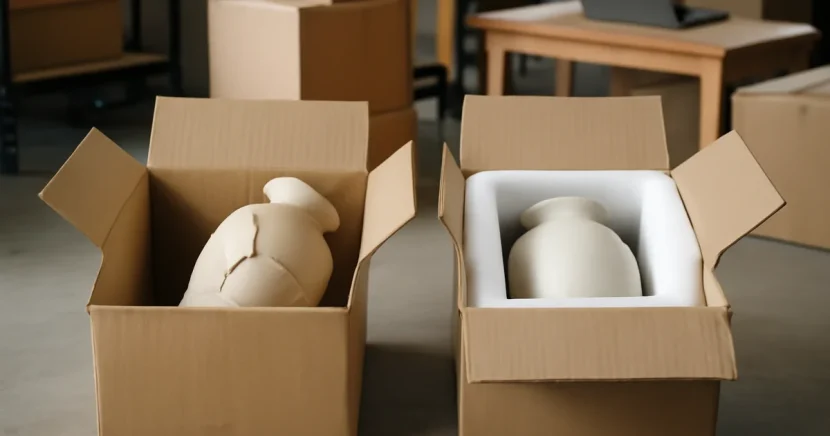
Exporting goods internationally brings tremendous opportunities for Malaysian manufacturers, but it also presents a persistent challenge: how to ensure products arrive safely at their destination. For countless exporters, product damage during shipping can result in costly claims, lost business, and diminished brand reputation. In this case study, we explore how Malaysian exporters cut their damage rates by adopting advanced EPE foam packaging solutions and what others can learn from their journey.
Context: The Packaging Challenges Facing Malaysian Exporters
Malaysia’s export sector is diverse, covering electronics, automotive components, industrial equipment, and high-value consumer goods. While product quality is often world-class, international shipping exposes goods to vibration, impact, stacking, and environmental hazards. Traditional packaging—such as single-wall cartons or basic bubble wrap—often fails to provide the consistent protection needed for fragile or precision products.
Several leading Malaysian exporters reported issues such as:
- Frequent breakages of electronic assemblies due to inadequate cushioning
- Scratches and dents on automotive parts caused by shifting cargo
- Moisture ingress damaging sensitive components
- Customer complaints and costly returns from overseas buyers
With increasing competition and customer expectations, exporters began to look for more robust, scalable packaging solutions tailored to their product profiles and logistics environments.
Challenge: High Damage Rates and Inefficient Packaging
One of Malaysia’s largest electronics exporters, shipping to Europe and North America, faced escalating claims for damaged printed circuit boards (PCBs) and assembled devices. Their packaging consisted primarily of cardboard boxes and minimal cushioning. Despite careful palletizing, rough handling and long transit times led to:
- Crushed corners and cracked solder joints
- Loss of functionality in finished products
- Significant costs for replacements, reshipment, and quality investigations
Similarly, an automotive parts supplier reported that metal brackets and trim components arrived at overseas assembly plants with cosmetic defects and occasional deformation, undermining their reputation for quality.
Approach: Implementing EPE Foam Packaging Solutions
Recognizing the limitations of their existing packaging, these exporters partnered with EPE Packaging, a leading supplier of protective packaging solutions in Malaysia. Together, they undertook a systematic review of shipping processes, product vulnerabilities, and logistics environments. The aim was to design and implement packaging that would:
- Reduce shock and vibration during transit
- Protect against stacking pressure and shifting loads
- Mitigate the risks of moisture and static electricity (for electronics)
- Be scalable and cost-effective for high-volume shipments
Key steps included:
- Packaging Assessment: Engineers from EPE Packaging analyzed damaged shipments, product fragility, and supply chain touchpoints to pinpoint where failures occurred.
- Design & Prototyping: Custom EPE (Expanded Polyethylene) foam inserts, trays, and corner protectors were developed, tailored to product dimensions and weight distribution.
- Testing: Packaging prototypes underwent simulated drop, vibration, and compression tests to verify performance under real-world shipping conditions.
- Integration: The new foam packaging was integrated into existing packing lines, with staff training and quality control checks established.
For sensitive electronics, antistatic EPE foam was selected to prevent static discharge, while automotive components were packed with high-density foam profiles to absorb impact and minimize movement.
Results: Tangible Reduction in Shipping Damages
Within the first six months of adopting EPE foam solutions, both exporters reported dramatic improvements:
- Electronics Exporter: Damage rates fell from 4% to less than 0.5% per shipment. Customer complaints dropped sharply, and insurance claims for transit damage were virtually eliminated.
- Automotive Supplier: Instances of cosmetic damage and deformation were reduced by over 80%. Overseas plants reported smoother assembly processes and higher satisfaction with delivered parts.
The advanced cushioning properties of EPE foam—lightweight yet resilient—helped protect delicate items from shocks, while custom-moulded inserts prevented shifting and stacking crush. Moisture-barrier wraps and antistatic features further safeguarded products against environmental hazards.
Logistics teams also noted other benefits:
- Improved packing speed and consistency
- Reduced packaging material waste through reusable foam inserts
- Lower overall shipping costs due to decreased product loss and fewer claims
Practical Example: EPE Foam Packaging in Action
During a pilot shipment, the electronics exporter sent 10,000 units of precision PCB modules to Germany using the new EPE foam packaging. The foam inserts were engineered to cradle each board, absorb vibration, and prevent static discharge. Upon arrival, all units passed incoming inspection with zero reported damage—a first for the company. This success led to the full rollout of EPE foam Malaysia solutions across all export lines.
Similarly, the automotive supplier shipped a batch of metal brackets to a Japanese assembly plant. The use of custom-cut EPE foam trays eliminated scuffing and deformation, ensuring that every part arrived in pristine condition and ready for assembly.
Why EPE Foam Outperformed Traditional Packaging Materials
EPE foam is valued for its excellent shock absorption, flexibility, and lightweight design. Unlike cardboard or bubble wrap, EPE foam packaging can be custom-moulded to fit irregular product shapes, providing tailored protection for each item. Its closed-cell structure resists moisture ingress, making it suitable for exports exposed to humidity or condensation.
Compared to EVA foam or standard packing materials, EPE foam offers:
- Superior resilience and recovery after impact
- Non-abrasive surface, reducing risk of scratches
- Options for antistatic and ESD protection for electronics
- Reusability for returnable packaging needs
- Cost-effectiveness for large-scale manufacturing
These features make EPE foam Malaysia solutions ideal for exporters who demand consistent product quality and lower total shipping costs.
Lessons Learned: Best Practices for Exporters
This case study highlights several important lessons for Malaysian exporters considering upgrading their protective packaging:
- Invest in Custom Packaging Design: Off-the-shelf boxes and fillers rarely address unique product vulnerabilities. Work with experienced manufacturers who can tailor solutions to your needs.
- Test Before Full Deployment: Simulate real shipping conditions to validate the effectiveness of new packaging. This helps avoid unexpected failures and supports continuous improvement.
- Embrace Integrated Solutions: Combining foam, plastic trays, pallets, and barrier bags can address multiple hazards at once. Integrated kits simplify packing and reduce sourcing complexity.
- Prioritize Supplier Expertise: Choose packaging partners with deep experience in export logistics, quality control, and compliance with international standards.
- Monitor and Review: Track damage rates, customer feedback, and cost savings to measure ROI and capture insights for future shipments.
For those seeking to further understand the advantages of advanced protective packaging, see our article on 4 Main Reasons Why You Should Start Using Protective Packaging In Shipping.
Choosing the Right Partner: The Role of EPE Packaging in Malaysia
Success in export packaging often depends on close collaboration with a knowledgeable supplier. EPE Packaging Malaysia stands out as a total packaging solution provider, offering design, prototyping, testing, and scalable production for export-oriented businesses.
With factories in Penang, Shah Alam, and Johor, EPE Packaging supports manufacturers nationwide. Their expertise spans EPE and EPP foam packaging, paper boxes, plastic trays, pallets, and integrated packaging kits—making them a trusted partner for electronics, automotive, industrial, and high-value exports.
Their ability to deliver customised, consistent quality packaging—backed by structured QC processes and JIT/VMI delivery—makes EPE Packaging a key resource for Malaysian exporters aiming to reduce risk and enhance brand reputation in global markets.
Conclusion: A Blueprint for Damage-Free Exports
As international markets become more demanding, Malaysian exporters cannot afford to overlook the impact of packaging quality on their business performance. The experience of these leading exporters demonstrates that investing in tailored EPE foam packaging can dramatically reduce shipping damage, lower costs, and increase customer satisfaction.
By partnering with an experienced supplier like EPE Packaging, companies can access not only advanced materials but also expert design, testing, and logistics support—ensuring every shipment arrives in perfect condition. For any exporter seeking a competitive edge, robust protective packaging is a smart, sustainable investment.
Explore more on the benefits of choosing the right packaging manufacturer in Malaysia to support your export growth.
Frequently Asked Questions
What is EPE foam packaging and why is it used for exports?
EPE (Expanded Polyethylene) foam packaging is a protective material used to cushion products during transport. Its lightweight, shock-absorbing, and moisture-resistant properties make it ideal for safeguarding goods against impact, vibration, and environmental hazards. Exporters use EPE foam to reduce product damage, lower claims, and ensure items arrive safely at their international destinations.
How do Malaysian exporters benefit from EPE foam packaging?
Malaysian exporters benefit through significantly reduced shipping damage, fewer returns, and greater customer satisfaction. EPE foam can be custom-moulded for various products, improving protection for electronics, automotive parts, industrial goods, and high-value items. This leads to cost savings and a stronger reputation in global markets.
Can EPE Packaging Malaysia supply custom solutions for my business?
Yes, EPE Packaging Malaysia specializes in custom-designed EPE foam solutions tailored to specific product dimensions and shipment requirements. Their services include design, prototyping, testing, and scalable production to ensure optimal protection for your exports.
Where can I get packaging boxes or foam packaging near me?
You can find packaging boxes, foam inserts, plastic trays, and other protective packaging solutions through suppliers like EPE Packaging Malaysia, which operates factories in Penang, Shah Alam, and Johor. They offer a wide range of packaging materials for different industries and export needs.
How does EPE foam compare to other protective packaging materials like EVA foam or plastic pallets?
EPE foam offers superior shock absorption, flexibility, and lightweight protection compared to many alternatives. EVA foam is also used for cushioning but may differ in texture and cost. Plastic pallets are ideal for material handling and can be paired with EPE foam inserts for added protection during shipping. The best solution depends on your specific product and logistics requirements.
Protect Your Exports with EPE Packaging Malaysia
Reduce transit damage and strengthen your global reputation with custom EPE foam, paper, plastic, and integrated packaging solutions from EPE Packaging. Our team supports Malaysian manufacturers with expert design, production, testing, and delivery services tailored for export success. Discover how our proven solutions can safeguard your products and boost customer satisfaction.