


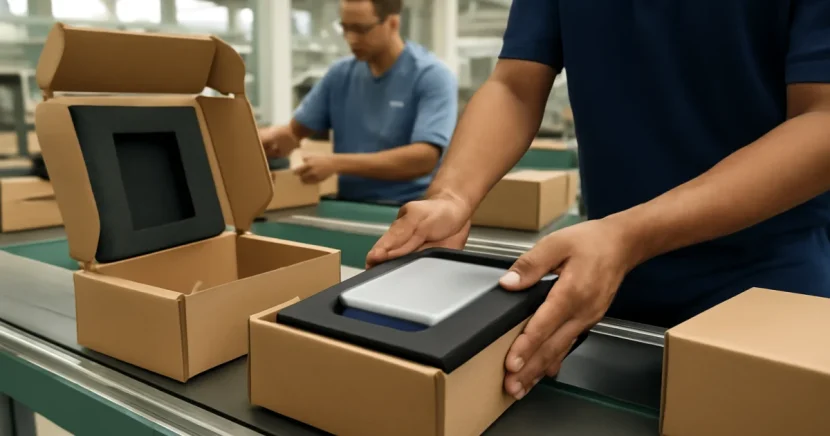
In Malaysia’s fast-paced manufacturing sector, the right packaging does far more than keep products safe—it ensures operational efficiency, supports branding, and often determines export readiness. With the increasing complexity of supply chains and the rise in high-value, sensitive goods, the demand for Custom Packaging Malaysia solutions has never been greater. Production and logistics managers, packaging designers, and manufacturers must adopt best practices to stay competitive, reduce costs, and minimise product damage.
Why Custom Packaging Matters in Malaysian Industry
Industrial sectors such as electronics, automotive, machinery, and export-oriented businesses face unique packaging challenges. Off-the-shelf solutions rarely provide the cushioning, moisture resistance, or ESD protection required for delicate or high-value items. Custom packaging is engineered around the product’s shape, weight, fragility, and shipping route, ensuring tailored protection and often reducing material waste and transport costs.
- Electronics: Anti-static EPE foam, moisture-barrier bags, and precise foam inserts prevent ESD and transit shock.
- Automotive: Custom trays and moulded EPP foam secure heavy or irregular-shaped parts for local and international transport.
- Exporters: Heat-treated pallets and integrated packaging kits streamline packing and meet global compliance standards.
By investing in purpose-designed packaging, Malaysian manufacturers reduce breakage, returns, and rework, directly boosting bottom-line efficiency.
Start with Professional Packaging Design & Testing
Effective custom packaging begins with expert design and validation. This process should consider:
- Product dimensions: Accurate measurements allow for tight, protective fits that minimise movement.
- Shock and vibration protection: Materials like EPE and EPP foam are selected based on expected handling and transit conditions.
- Environmental factors: For products susceptible to moisture or static, options such as antistatic bags, aluminium-laminated wraps, or desiccants are integrated.
- Handling and automation: Custom trays and reusable plastic boxes can be designed for compatibility with automated lines and efficient manual handling.
Prototyping and lab testing simulate real-world transport scenarios, helping to validate packaging performance before full-scale production.
In addition to technical considerations, a collaborative design process between packaging engineers and production teams ensures packaging isn’t just protective, but also practical for assembly line integration, storage, and end-user experience. For instance, designers may visit the production site to observe workflows and suggest packaging features such as ergonomic grips, easy-open mechanisms, or stackability. This hands-on approach results in packaging that supports both protection and efficiency.
Choose the Right Materials for Each Application
Material selection is central to the success of any custom packaging solution. Malaysian manufacturers have access to a wide array:
- Foam Packaging (EPE/EPP): Lightweight, shock-absorbing, and ideal for sensitive electronics or precision parts. Foam can be custom-cut or moulded for each product.
- Plastic Boxes & Trays: Durable, impact-resistant, and available in ESD-safe versions for electronics. Reusable plastic packaging offers long-term cost savings and sustainability benefits.
- Paper Board Solutions: Single, double, or triple-wall boards for boxes, partitions, and cushioning—suitable for a range of industrial and commercial goods.
- Protective Bags & Wraps: Custom LDPE, PVC, aluminium, antistatic, and moisture-barrier bags for additional protection during storage and shipping.
- Pallets (Wood, Plastic, Paper): Choose based on load, handling requirements, and export regulations. Custom plastic pallet solutions can enhance hygiene and reusability.
Combining materials—such as foam inserts within a corrugated box placed on a heat-treated pallet—can deliver layered protection for even the most demanding applications.
When selecting materials, it’s essential to weigh not just the protection offered, but also factors like weight-to-strength ratio, cost, recyclability, and compliance with safety standards. For example, high-value medical equipment may require triple-layered foam with anti-microbial properties, while automotive components might benefit from oil-resistant plastics. Working closely with suppliers to trial new material combinations can uncover cost savings or performance enhancements.
Integrate Packaging with Production and Logistics
Custom packaging is most effective when it fits seamlessly into your production and supply chain processes. Best practices include:
- Just-in-Time (JIT) Delivery: Coordinating packaging supply with production schedules to reduce inventory holding costs and ensure freshness of packaging materials.
- Vendor Managed Inventory (VMI): Allowing suppliers to monitor and replenish packaging stocks automatically, minimising stockouts and administrative burdens.
- Kitting and Pre-assembly: Integrated kits combine all required packaging components, streamlining packing lines and reducing errors.
- Warehousing Support: Partnering with suppliers that offer warehousing and delivery services to ensure a reliable supply chain.
For high-volume or multi-site operations, these strategies save valuable floor space, increase packing speed, and simplify procurement.
A practical integration checklist for packaging and logistics teams includes:
- Mapping out the full journey of packaged goods, from assembly to delivery, to identify any handling bottlenecks or risks.
- Engaging packaging suppliers early in new product introduction (NPI) projects to allow for design iterations and prototype testing.
- Training staff on proper packing techniques to maximise the protective features of custom packaging and reduce human error.
- Implementing regular feedback loops, where frontline staff and logistics partners can suggest packaging improvements based on real-world challenges.
By embedding packaging considerations into broader production planning, companies can avoid costly delays and ensure that packaging adds value at every stage of the supply chain.
Address Protection for Sensitive and High-Value Products
Malaysia’s growing electronics, semiconductor, and precision engineering sectors require packaging that goes beyond general protection. Best practices demand:
- ESD & Antistatic Protection: Using EPE foam, static-shielding bags, or conductive trays to prevent electrostatic discharge, which can damage sensitive components.
- Moisture Barrier Solutions: Incorporating desiccants, aluminium-laminated barriers, and heat-sealing to protect against humidity during long shipping journeys.
- Secure Fit and Layered Cushioning: Multi-density foam, partitions, or custom-moulded trays to immobilise parts, reducing shock and vibration damage.
For fragile or high-value goods, packaging validation and periodic testing are essential to maintain consistent quality and performance.
Avoiding common mistakes is crucial when handling sensitive products. These mistakes include using generic packaging for ESD-prone components, neglecting humidity control in export shipments, and failing to update packaging after product design changes. To mitigate these risks, establish a regular review process that includes testing under simulated shipping conditions, evaluating packaging for new failure modes, and updating documentation to reflect best practices. Collaborate closely with your packaging partner to conduct root-cause analyses whenever damage or defects occur.
Design for Sustainability and Cost Efficiency
As awareness of environmental impact grows, Malaysian manufacturers are seeking ways to balance protection with sustainability and cost control. Consider these approaches:
- Reusable Packaging: Durable plastic trays and boxes can be cleaned and returned for repeated use, reducing single-use waste.
- Right-Sizing: Custom packaging minimises excess material, lowering both costs and environmental footprint.
- Material Selection: Opt for recycled or recyclable materials where possible—such as corrugated board or certain types of foam.
- Integrated Packaging: Combining components (e.g., foam inserts, paper partitions, and pallets) into a single kit simplifies recycling and reduces packaging complexity.
Working with experienced packaging partners ensures solutions are both protective and environmentally conscious, supporting your company’s sustainability commitments.
To take sustainability further, consider conducting a life cycle assessment (LCA) for your packaging solutions. LCAs help identify hotspots in material sourcing, manufacturing, and end-of-life disposal that can be targeted for improvement. Additionally, manufacturers can explore participation in closed-loop recycling programs, where used packaging is collected, processed, and converted into new materials. Communicating sustainability achievements—such as reductions in packaging waste or increased use of recycled content—can also enhance your brand reputation in both local and international markets.
Case Studies: Successful Custom Packaging in Action
Electronics Manufacturer
A Penang-based electronics firm faced high rates of ESD damage during export shipments. By collaborating with EPE Packaging, they adopted antistatic EPE foam trays and moisture-barrier bags, reducing component failure by over 70% and improving customer satisfaction.
Automotive Supplier
An automotive parts supplier needed to transport heavy, irregular-shaped metal assemblies between Johor and their customer’s assembly plant. Custom moulded EPP foam with reusable plastic pallets ensured zero transit damage and streamlined repeated shipments.
Export-Oriented SME
A growing SME exporting precision instruments worldwide implemented right-sized foam inserts within triple-wall paper boxes, supported by heat-treated wooden pallets. This reduced shipping costs and satisfied international compliance standards.
For more examples of how protective packaging can transform shipping outcomes, see our article on 4 Main Reasons Why You Should Start Using Protective Packaging In Shipping.
In another example, a machinery manufacturer supplying components to the oil and gas sector faced recurring issues with corrosion and surface damage during overseas transport. The company switched to an integrated packaging solution combining desiccant packs, vacuum-sealed aluminium laminate, and custom foam bracing. This change not only reduced product returns by 60% but also improved the company’s reputation in a highly competitive export market.
Similarly, an F&B exporter in Selangor sought to minimize product spoilage and improve shelf appeal for their gourmet snacks. By introducing custom partitioned boxes with food-safe liners and moisture-absorbing sachets, they were able to reduce damage claims by 40% and negotiate more favorable terms with international distributors. These practical examples highlight the versatility and measurable benefits of custom packaging across different Malaysian industries.
How to Select the Best Custom Packaging Partner in Malaysia
Choosing the right partner is just as important as the packaging itself. Look for:
- Experience: Established providers like EPE Packaging bring decades of expertise and knowledge of local and international standards.
- Comprehensive Services: Partners offering design, prototyping, testing, production, warehousing, and delivery provide a seamless experience.
- Material Versatility: Ability to supply foam, paper, plastic, pallets, and accessories, ensuring the right solution for every product.
- Customisation Capability: Facility to design packaging tailored to your specific products, volumes, and supply chain needs.
- Proven Track Record: References and case studies from similar industries or product types.
For more guidance on evaluating local suppliers, review our guide to choosing a Penang packaging manufacturer.
To avoid common pitfalls, create a checklist when interviewing potential packaging partners. This can include:
- Requesting samples and prototypes for your actual products.
- Reviewing the supplier’s certifications (e.g., ISO 9001, ISO 14001, or industry-specific standards).
- Asking about their problem-solving process if packaging failures occur.
- Assessing their capacity for scaling up production as your business grows.
- Clarifying lead times, minimum order quantities, and after-sales support.
A reliable partner should be proactive in proposing improvements, transparent in communication, and responsive to your industry’s changing requirements. Establishing a collaborative relationship ensures you receive ongoing value, not just a one-time solution.
Conclusion: The Competitive Edge of Custom Packaging
Adopting best practices for custom packaging in Malaysia does more than protect products—it transforms operational efficiency, reduces costs, and supports business growth. Whether your business handles sensitive electronics, complex automotive parts, or exports fragile goods, custom solutions tailored to your products and processes provide a measurable competitive advantage.
By partnering with experienced providers like EPE Packaging, and by prioritising design, material selection, integration, and sustainability, Malaysian manufacturers can confidently meet the challenges of modern supply chains and deliver quality products worldwide.
Frequently Asked Questions
Where can I get packaging boxes near me in Malaysia?
You can source packaging boxes from specialised packaging suppliers such as EPE Packaging, which has facilities in Penang, Shah Alam, and Johor. These providers offer a wide range of custom and standard packaging boxes, including paper board, plastic, and foam options. Working with a local supplier ensures faster delivery, better customisation, and support tailored to your industry needs.
What are the benefits of using custom packaging for industrial products?
Custom packaging delivers precise protection tailored to your product’s dimensions, fragility, and handling requirements. This reduces the risk of damage during transit, lowers return rates, and can optimise shipping costs through right-sized designs. For industrial products, custom solutions also enable integration with automation, improve branding, and support compliance with export regulations.
How do I choose the right packaging material for sensitive electronics?
Sensitive electronics often require antistatic or ESD-safe materials such as EPE foam, static-shielding bags, or conductive trays. The choice depends on the component’s sensitivity, size, and shipping conditions. It’s best to consult with a packaging expert who can recommend a combination of foam, antistatic films, and moisture barriers designed specifically for your products.
Can custom packaging help my company reduce costs and improve sustainability?
Yes, custom packaging minimises material waste by right-sizing each package to the product, which can lower shipping and material costs. Using reusable packaging, recyclable materials, or integrated kits also helps reduce environmental impact. A well-designed custom solution supports both cost efficiency and sustainability goals.
What should I look for in a custom packaging supplier in Malaysia?
Look for suppliers with strong experience in your industry, a comprehensive service offering (design, testing, production, delivery), and a wide material selection. Local presence, ability to meet compliance standards, and a proven track record with similar projects are also important factors for success.
Unlock Superior Protection and Efficiency with EPE Packaging
Ready to transform your packaging process? EPE Packaging offers comprehensive solutions for foam, paper, plastic, and pallet packaging, tailored to Malaysia’s manufacturing and export industries. From design and prototyping to production, warehousing, and delivery, our experts help you reduce damage, optimise workflows, and achieve compliance. Discover how custom packaging can give your business a competitive edge—partner with EPE Packaging today.