


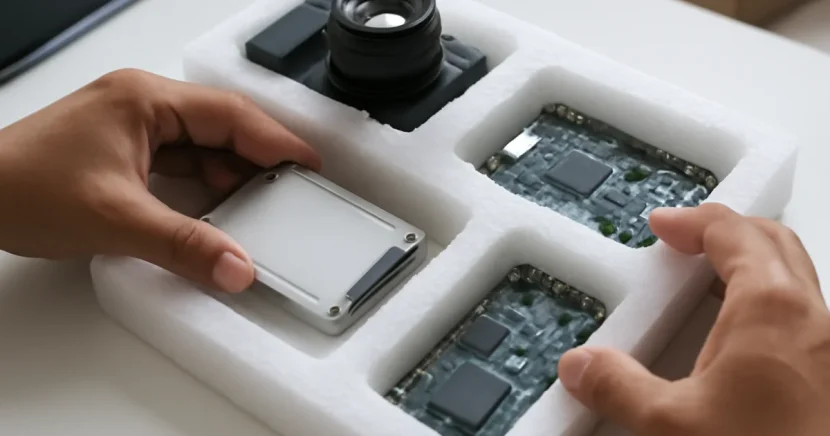
EPE foam packaging has become an integral part of product protection for manufacturers and exporters in Malaysia’s fast-paced industrial landscape. Whether you handle delicate electronics, automotive parts, or heavy-duty machinery, understanding EPE foam’s unique properties and applications can help you make informed packaging choices. This comprehensive FAQ guide answers the most common questions about EPE foam packaging in Malaysia, providing clarity for electronics, semiconductor, automotive, and industrial businesses seeking reliable protective solutions.
What Is EPE Foam Packaging?
EPE (Expanded Polyethylene) foam is a lightweight, resilient, and flexible material widely used for protective packaging. Its closed-cell structure provides excellent cushioning, shock absorption, and moisture resistance, making it ideal for safeguarding sensitive products during handling, transport, and storage. EPE foam is highly adaptable and can be fabricated or moulded into custom shapes, trays, inserts, and sheets to fit a wide variety of products.
Key Features of EPE Foam
- Lightweight: Reduces shipping costs and is easy to handle.
- Shock Absorption: Protects fragile and high-value items from impact.
- Water & Moisture Resistance: Prevents damage from humidity or accidental spills.
- Non-abrasive: Safe for sensitive surfaces including electronics and precision parts.
- Customisable: Can be die-cut, laminated, or thermoformed to meet specific requirements.
How EPE Foam Is Manufactured
The manufacturing process of EPE foam involves expanding polyethylene beads with heat, causing them to fuse into a closed-cell foam structure. This process allows for a high degree of flexibility in density and thickness, enabling manufacturers to tailor foam characteristics for specific applications. EPE foam can be produced in rolls, sheets, or pre-cut blocks, and easily further processed into packaging components.
Why Choose EPE Foam Packaging in Malaysia?
Malaysia’s manufacturing and export sectors demand packaging that is protective, cost-effective, and reliable. EPE foam packaging is favoured by Malaysian companies for several reasons:
- Superior Protection: EPE foam provides cushioning against shocks and vibrations, crucial for electronic components and automotive parts.
- Cost Efficiency: Its lightweight nature reduces overall shipment weight, cutting logistics expenses.
- Local Availability: With multiple EPE foam manufacturers and suppliers operating in Malaysia, businesses can source custom solutions quickly and efficiently.
- Compliance: Many EPE foam products meet international packaging standards required for export, including ISPM-15 for pallets and RoHS for electronics.
For companies looking for a trusted packaging partner, EPE Packaging offers local manufacturing, design, and delivery support across Penang, Shah Alam, and Johor, ensuring seamless supply and service.
Benefits for Malaysian Exporters
- Customs and Regulatory Readiness: EPE foam packaging can be tailored to meet packaging standards for different export markets, reducing the risk of shipment delays at the border.
- Adaptable for Mixed Shipments: EPE foam can be designed for single-product or multi-product shipments, making it suitable for companies exporting diverse product lines.
- Supply Chain Flexibility: Local suppliers help minimise lead times and allow for rapid design changes or replenishment, supporting just-in-time manufacturing and reducing inventory holding costs.
How Is EPE Foam Used in Different Industries?
EPE foam’s versatility makes it suitable for a wide range of industries and applications:
Electronics & Semiconductors
Electronics manufacturers use EPE foam trays, inserts, and anti-static packaging to protect circuit boards, chips, and finished electronic products from static discharge and mechanical damage. Its non-abrasive surface prevents scratches and contamination during assembly and shipping. EPE foam is also used for the safe transport of delicate touch panels, sensors, and mobile device displays.
Automotive & Industrial Manufacturing
Automotive components, such as dashboards, sensors, and glass assemblies, require robust cushioning and precise fitment. Custom-moulded EPE foam packaging ensures parts remain secure during in-plant handling, storage, and transport to assembly lines or end customers. In industrial manufacturing, EPE foam is used for protecting metal parts, precision instruments, and even heavy machinery, absorbing shocks during movement.
Export & Logistics
Exporters and logistics companies rely on EPE foam for reusable packaging, pallets, and kitting solutions. The foam’s durability allows multiple cycles of use, lowering total packaging costs. Combined with industrial packaging expertise, EPE foam helps Malaysian companies meet international shipping standards.
Consumer Goods & Retail Packaging
EPE foam is also widely used in packaging consumer goods, such as appliances, furniture, glassware, and home electronics. Its cushioning and flexibility help prevent scratches, dents, and breakage during shipping, storage, and retail display. Retailers benefit from fewer returns and increased customer satisfaction due to improved product condition on arrival.
What Types of EPE Foam Packaging Are Available?
Manufacturers and exporters in Malaysia can choose from a broad range of EPE foam packaging products and custom solutions:
- Sheets and Rolls: For general wrapping, cushioning, and interleaving between products.
- Die-Cut Inserts: Custom cut to hold specific items securely within cartons or boxes.
- Moulded Trays and Shapes: Precision-moulded for complex or high-value components.
- Antistatic and ESD Options: Specially formulated to protect sensitive electronics from static discharge.
- Laminated Foam: Bonded with film, fabric, or other materials for added durability or specific protection requirements.
Many packaging suppliers, such as EPE Packaging, offer integrated solutions that combine EPE foam with paper boxes, plastic trays, or wooden pallets to suit particular logistics and product needs.
Specialty EPE Foam Products
- Corner and Edge Protectors: Engineered for furniture, glass panels, and framed artwork to absorb impacts at vulnerable points.
- Foam Nets and Tubes: Used for bottles, ceramics, and cylindrical parts to prevent abrasion and collision damage.
- Foam Pouches and Bags: Provide individual protection for small or high-value items, such as lenses, instruments, or collectibles.
- Multi-layer EPE Foam: Used for heavy-duty export applications, offering enhanced cushioning and stacking strength.
Is EPE Foam Eco-Friendly? What About Recycling?
Sustainability is a growing concern in the packaging industry. EPE foam is chemically inert, non-toxic, and safe for both products and handlers. While EPE is not biodegradable, it is recyclable in dedicated facilities and can be reprocessed into new foam products, insulation, or other materials.
Malaysian manufacturers are increasingly investing in recycling programs and closed-loop packaging systems. By partnering with packaging suppliers offering recycling and reuse services, businesses can minimise their environmental footprint and comply with global sustainability requirements. EPE Packaging supports recycling initiatives as part of its integrated packaging and logistics services.
Practical Eco-Friendly Tips
- Work with suppliers who offer take-back and recycling programs for used EPE foam.
- Opt for reusable packaging designs to extend product life cycles.
- Request technical advice on reducing packaging waste without compromising protection.
Comparing EPE Foam to Other Sustainable Options
While EPE foam offers excellent product protection, some companies are exploring alternatives such as recycled paper pulp, molded fiber, or biodegradable foams. Each option has trade-offs in terms of cost, durability, and protective qualities. For products that require superior cushioning and moisture resistance, EPE foam remains a strong choice, especially when combined with recycling or reuse programs to offset environmental concerns.
How to Choose the Right EPE Foam Packaging Supplier in Malaysia
Selecting the right packaging partner is critical to ensuring consistent quality, timely delivery, and scalable solutions as your business grows. Consider these factors when evaluating EPE foam manufacturers and suppliers:
- Custom Design Capabilities: Can the supplier design and produce bespoke foam packaging tailored to your product dimensions and handling requirements?
- Production Scale & Lead Time: Does the supplier have sufficient capacity to meet your volume and timing needs, especially for high-volume or export orders?
- Material Options: Do they offer antistatic, ESD, laminated, or high-density foam for specialised applications?
- Quality Control: Are there structured QC and testing processes in place to ensure every shipment meets your standards?
- Integrated Services: Can the supplier provide warehousing, JIT/VMI delivery, and recycling as part of their offering?
For a deeper dive into supplier criteria, see our article on the importance of choosing the right packaging supplier in Malaysia.
Common Mistakes When Sourcing EPE Foam Packaging
- Overlooking Testing: Failing to conduct packaging drop or vibration tests can lead to unexpected product damage.
- Ignoring Compliance: Not verifying material certifications for export can result in customs delays or rejected shipments.
- Poor Communication: Inadequate sharing of product drawings or specifications may result in poorly fitting packaging.
- Choosing Solely on Price: Lowest-cost suppliers may compromise on material quality or consistency, increasing risk of damage or returns.
Checklist for Supplier Assessment
- Request samples and prototypes before placing bulk orders.
- Ask for references or case studies from similar industries.
- Review warranty and after-sales support policies.
- Clarify delivery timelines and in-stock availability for urgent or repeat orders.
What Are the Cost Factors for EPE Foam Packaging?
Packaging costs depend on several factors, including:
- Material Thickness & Density: Thicker or higher-density foam offers more protection but may cost more.
- Customisation: Custom-moulded or die-cut designs involve additional tooling or setup costs compared to standard sheets or rolls.
- Volume: Higher order quantities often yield better unit pricing due to economies of scale.
- Additional Features: ESD protection, lamination, or integrated packaging kits may affect the total price.
- Logistics & Delivery: Delivery location, urgency, and warehousing requirements can impact the final cost.
Discuss your requirements with your packaging partner early in the design process to optimise protection and cost. EPE Packaging’s team can help recommend the best material and design options for your budget and product needs.
Ways to Reduce EPE Foam Packaging Costs
- Standardize packaging designs for multiple products where possible to leverage higher volumes.
- Reassess foam thickness and density to avoid over-specification.
- Consolidate shipments to reduce overall logistics costs.
- Consider reusable packaging for internal transfers or returnable export packaging.
- Coordinate closely with your supplier to identify design or material efficiencies.
Practical Examples of EPE Foam Packaging in Action
- Electronics Manufacturer: A Penang-based PCB assembly company uses antistatic EPE foam trays to ship thousands of boards across Asia, reducing damage rates and eliminating returns due to electrostatic discharge.
- Automotive Supplier: An automotive component supplier in Johor uses custom-moulded EPE foam inserts and plastic trays in reusable packaging kits, streamlining their supply chain to major car plants.
- Export-Oriented SME: A Malaysian SME exporting medical devices combines EPE foam sheets with triple-wall paper boxes and heat-treated pallets to comply with international shipping standards and pass customs inspections smoothly.
Scenario: Scaling Up with EPE Foam Packaging
Consider a growing electronics brand in Malaysia that expands from local to regional exports. Initially, generic corrugated boxes with bubble wrap led to high damage rates and customer complaints. After switching to custom die-cut EPE foam inserts designed for each product, the company reported a 90% reduction in transit damage and a marked decrease in returns. With improved product presentation and higher customer satisfaction, the brand secured new contracts and entered additional export markets. The investment in EPE foam packaging paid off through lower warranty costs, greater brand credibility, and streamlined logistics.
Case Study: Integrated Packaging Solutions
A multinational automotive supplier operating in Malaysia needed to deliver fragile dashboard displays to multiple Asian countries. By partnering with an EPE foam supplier capable of designing, prototyping, and mass-producing custom foam trays, the company ensured all components arrived intact, ready for immediate assembly. The supplier also provided inventory management, warehousing, and take-back recycling, supporting the client’s sustainability objectives and just-in-time production schedules.
Conclusion: Unlocking the Value of EPE Foam Packaging in Malaysia
EPE foam packaging stands out as a versatile, protective, and cost-effective solution for manufacturers and exporters in Malaysia. With its customisability, compatibility with sensitive products, and support for integrated packaging systems, EPE foam helps businesses minimise damage, control costs, and meet both customer and regulatory demands.
Whether you operate in electronics, automotive, industrial manufacturing, or export logistics, partnering with an experienced EPE foam packaging supplier like EPE Packaging ensures you receive tailored support from design and production through to delivery and recycling. Explore the possibilities of EPE foam for your next project and secure your products with confidence.
For more insights on packaging trends and solutions in Malaysia, you may also be interested in Everything You Need To Know About Packaging In Penang.
Frequently Asked Questions
What is the difference between EPE foam and EVA foam?
EPE (Expanded Polyethylene) foam and EVA (Ethylene Vinyl Acetate) foam are both used for packaging, but they differ in structure and properties. EPE foam is lightweight, flexible, and has excellent shock absorption, making it ideal for protective packaging. EVA foam is denser, more elastic, and offers higher resilience, making it suitable for applications requiring better support and durability. While EPE is widely used for general protective packaging, EVA is often chosen for sports equipment, shoes, and cases where additional cushioning or form retention is needed.
Can EPE foam packaging be customised for specific products?
Yes, EPE foam packaging can be fully customised to fit various shapes, sizes, and protection requirements. Manufacturers in Malaysia offer services such as die-cutting, moulding, laminating, and integrating EPE foam with other packaging materials like plastic trays and wooden pallets. This ensures that each product, whether it is a delicate electronic component or a heavy automotive part, receives optimal protection during handling, storage, and shipping.
Is EPE foam safe for electronics and sensitive equipment?
EPE foam is non-abrasive, chemically inert, and can be manufactured with antistatic or ESD (Electrostatic Discharge) properties. This makes it safe for packaging sensitive electronics, semiconductors, and precision instruments. For the best protection, request antistatic or ESD EPE foam specifically designed for your application, ensuring sensitive components are shielded from static and physical damage.
Where can I get EPE foam packaging or packaging boxes near me in Malaysia?
You can source EPE foam packaging and a variety of packaging boxes from established suppliers and manufacturers across Malaysia. Companies like EPE Packaging have factories in Penang, Shah Alam, and Johor, offering local fabrication, custom design, and delivery. Many suppliers also provide integrated solutions, combining foam, paper, plastic, and pallets to suit your product and logistics needs. Always choose a supplier with strong local presence, proven expertise, and the ability to support your industry requirements.
How do I recycle or dispose of used EPE foam packaging?
EPE foam is recyclable and can be collected by specialised recycling facilities in Malaysia. Some packaging suppliers offer take-back or closed-loop recycling programs. To recycle EPE foam, keep it clean and free from contaminants such as tape or labels. If you are unsure where to recycle, check with your packaging supplier or local waste management authorities for recommended options.
Ready to Upgrade Your Packaging with EPE Foam Malaysia?
Protect your products and streamline your operations with custom EPE foam packaging designed for Malaysian manufacturers and exporters. EPE Packaging offers comprehensive solutions, from design and prototyping to production, QC, warehousing, and delivery. Benefit from decades of experience, local manufacturing in Penang, Shah Alam, and Johor, and a wide selection of foam, plastic, paper, and pallet packaging options. Let our experts help you create the perfect packaging to safeguard your products and support your business growth.